
House and land
Finding a section in the Waikato: what to check before you buy
The section you choose shapes almost everything about your home. A little checking before you buy can save a lot of time and cost later.
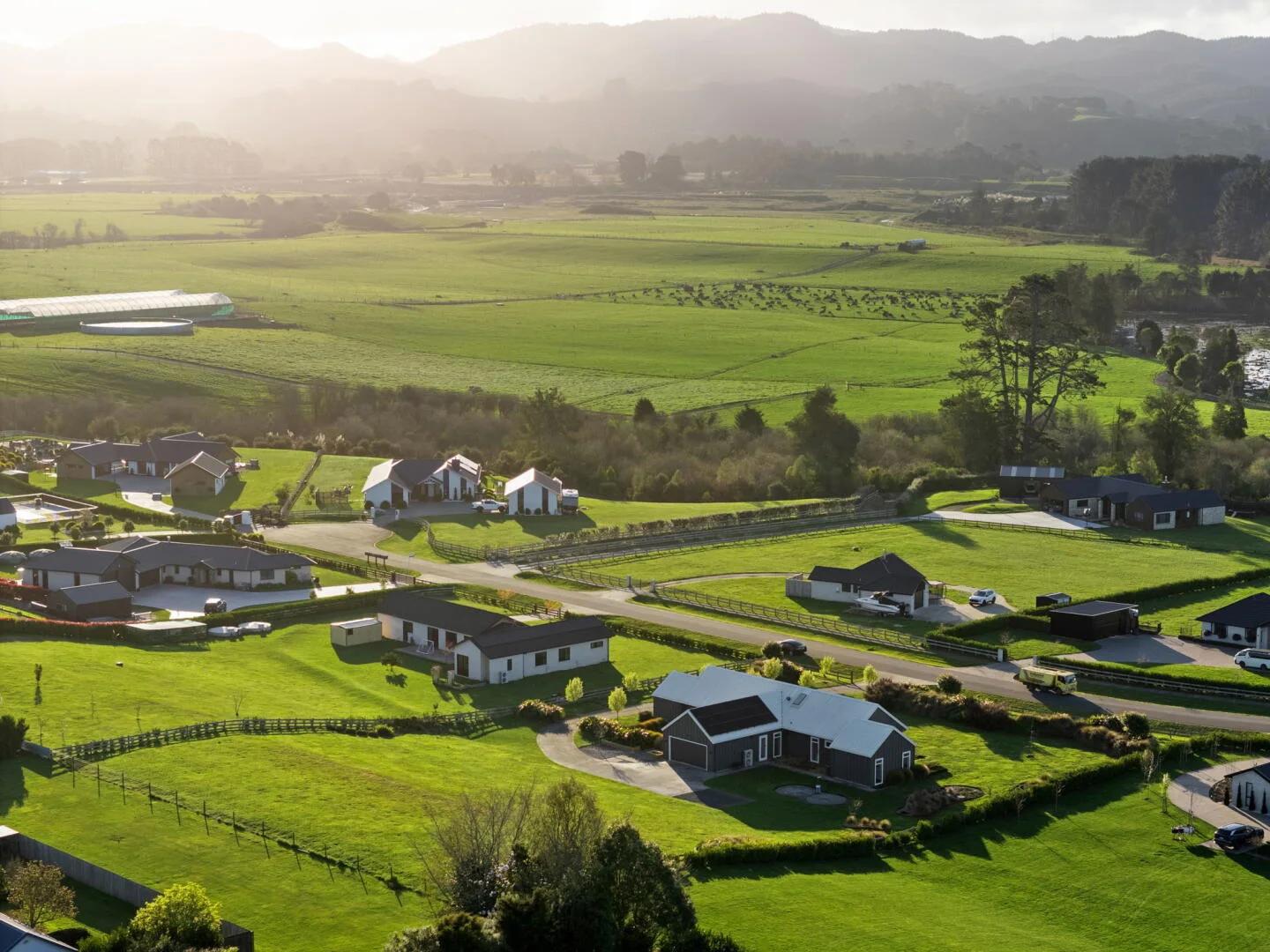
Scrolling through land for sale in the Waikato is exciting. You picture the house, the garden, the view. But two sections that look the same in a listing can be very different to build on. One might be ready to go. The other might need retaining, a long driveway, a water tank and a septic system before the house even starts.
This guide covers what to check before you buy, whether you are looking at sections for sale in Hamilton or a rural block further out.
Where to look for sections for sale in the Waikato
Most land comes up through the usual property websites and local agents. New subdivisions around Hamilton, Cambridge and Te Awamutu often sell sections off the plan, sometimes before titles are issued. Rural land for sale in the Waikato, and bare land on the edge of towns, tends to move through agents who know the area well.
It also helps to talk to a local builder. We often hear about land before it is widely advertised, and we help match clients with the right section. If you would like a hand with the search, see our house and land packages.
The checklist: what to look at on any section
1. Orientation and sun
In New Zealand you want your main living spaces facing north. Stand on the section and work out where north is. Look at where the sun will be in winter, when it sits low. Check for anything that could shade the house: neighbouring homes, tall trees, a hill to the north. A section with good sun makes a warmer, brighter, cheaper-to-heat home.
2. Slope and fall
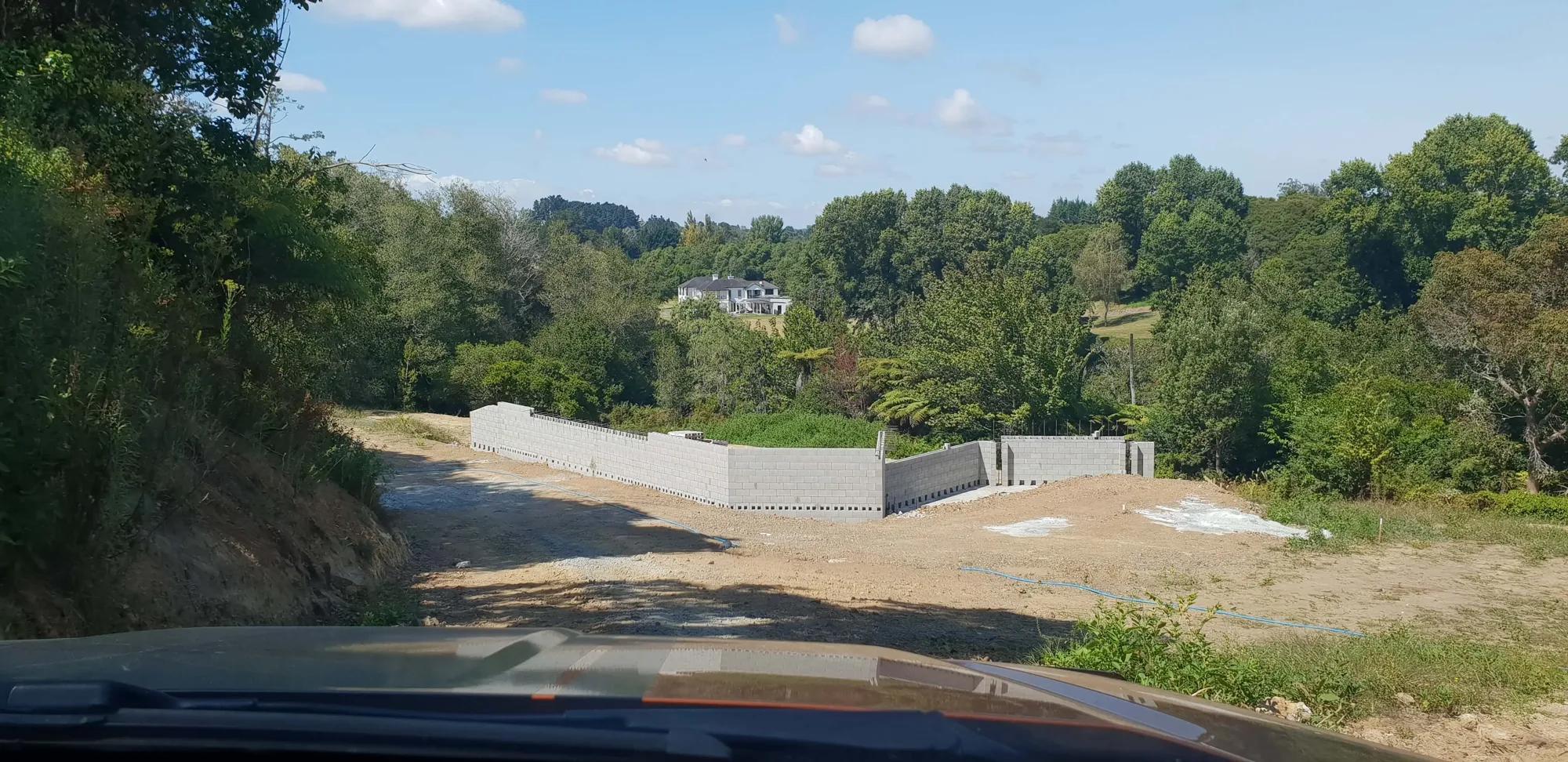
A flat section is the simplest to build on. A gentle slope can be an advantage, giving you views and interesting levels. A steep one usually means more earthworks, retaining walls and engineering. None of that rules a section out, but it all needs to be in the budget.
3. Ground conditions
What is under the grass matters. Parts of the Waikato have soft, peaty or variable ground, and the type of soil affects what foundation the house needs. Ask whether a geotechnical report exists. New subdivisions often have one. For a rural or bare block, you may need to get one done. Your designer or engineer will use it to design the foundations.
4. Access
Can a truck, a digger and a concrete pump get onto the site? A long, steep or narrow driveway adds cost, both to build and during construction. Check where the entrance is, whether the driveway already exists, and whether you share it with neighbours.
5. Services
Town sections usually have power, water, wastewater and stormwater at the boundary. Find out exactly where, because the distance to the house affects cost. Rural sections often have none of these. You may need a water tank, an on-site wastewater system, a power connection from the road and a plan for stormwater. Each one is a line item in your budget.
6. Covenants
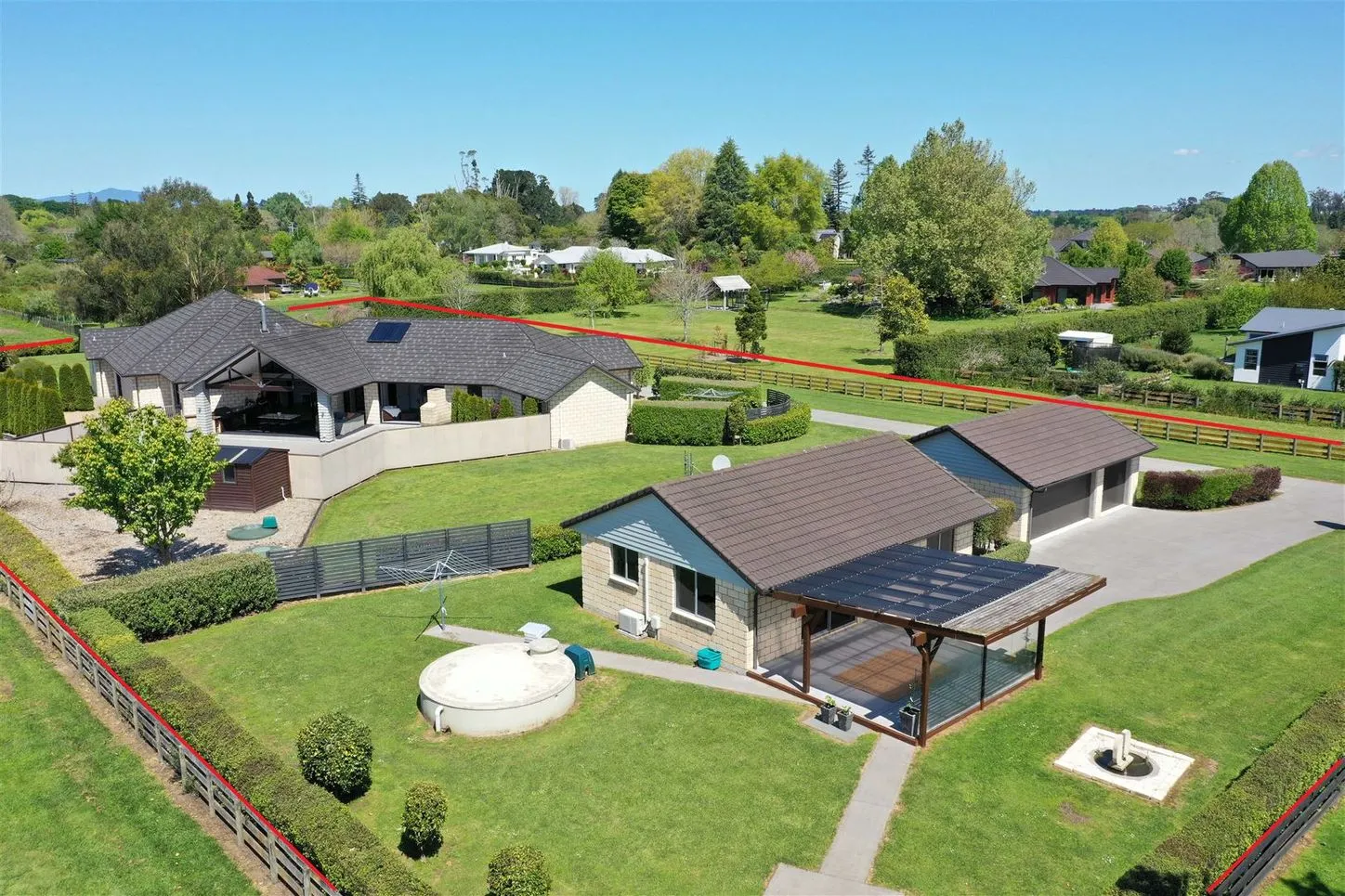
Many subdivisions have covenants. They can set a minimum house size, control cladding and roof colours, limit fencing, or require you to start building within a set time. Ask for a copy early and read it before you make an offer. Your lawyer can explain anything unclear.
7. Zoning and district plan rules
The district plan sets rules on things like how close you can build to the boundary, how tall the house can be and how much of the site it can cover. Rural zones have their own rules. Hamilton City, Waipā and Waikato District each have their own plan, so the rules depend on where the land sits. The council’s website or a LIM report will show the zoning.
8. The neighbourhood and the view
Visit at different times of day. Listen for traffic. Look at what could be built next door in future. If the view is the reason you love the section, think about whether it could be blocked.
Sections for sale in Cambridge, Te Awamutu and around Hamilton
Each part of the Waikato has its own character. Sections for sale in Cambridge range from town lots to lifestyle blocks with a rural feel close to town. Sections for sale in Te Awamutu include new subdivisions and rural land around the town. Around Hamilton, lifestyle areas like Tamahere, Matangi and Te Kowhai offer larger sections within easy reach of the city. You can read more on our where we build page.
Let a builder look at it with you
The easiest way to avoid a costly surprise is to have someone who builds for a living walk the land with you before you buy. We can look at the sun, the slope, the access and the services, and give you a sense of what a home there will involve. It is much better to know before you sign than after.
“Jonathan was on board from the very start, helping us find the perfect section for what we wanted to build and guiding us and offering us advice the whole way through.”
If you are weighing up land against a package, our post on house and land package or your own section compares the two. And once you have land, here is how we build on your land.
The short version
- Check the sun, slope, ground, access and services before you fall for the view.
- Read covenants and check zoning early.
- Rural and bare land often needs water, wastewater and power sorted on site.
- Have a builder look at the section with you before you buy.
FAQ
Frequently asked questions
Can a builder look at a section before I buy it?
What is a geotechnical report and do I need one?
What extra costs come with rural land?
Related reading
- Turnkey homes in NZ: what turnkey really includesTurnkey is meant to mean move-in ready. Here is what it usually covers in New Zealand, and the common gaps worth checking before you sign.
- House and land package or your own section: which suits you?Are house and land packages worth it, or is it better to buy land and build? Here is how the two options compare in the Waikato.
- What is a house and land package, and how does it work?What a house and land package actually is, what it usually covers, and the questions worth asking before you buy one in the Waikato.
Start your journey
Let's shape a home around you.
Get in touch for a no-obligation conversation. We'd love to hear about your plans.