
Planning
How long does it take to build a house in NZ?
It is one of the first questions people ask. The honest answer is that the build itself is only part of the timeline. Here is how the whole journey usually breaks down.
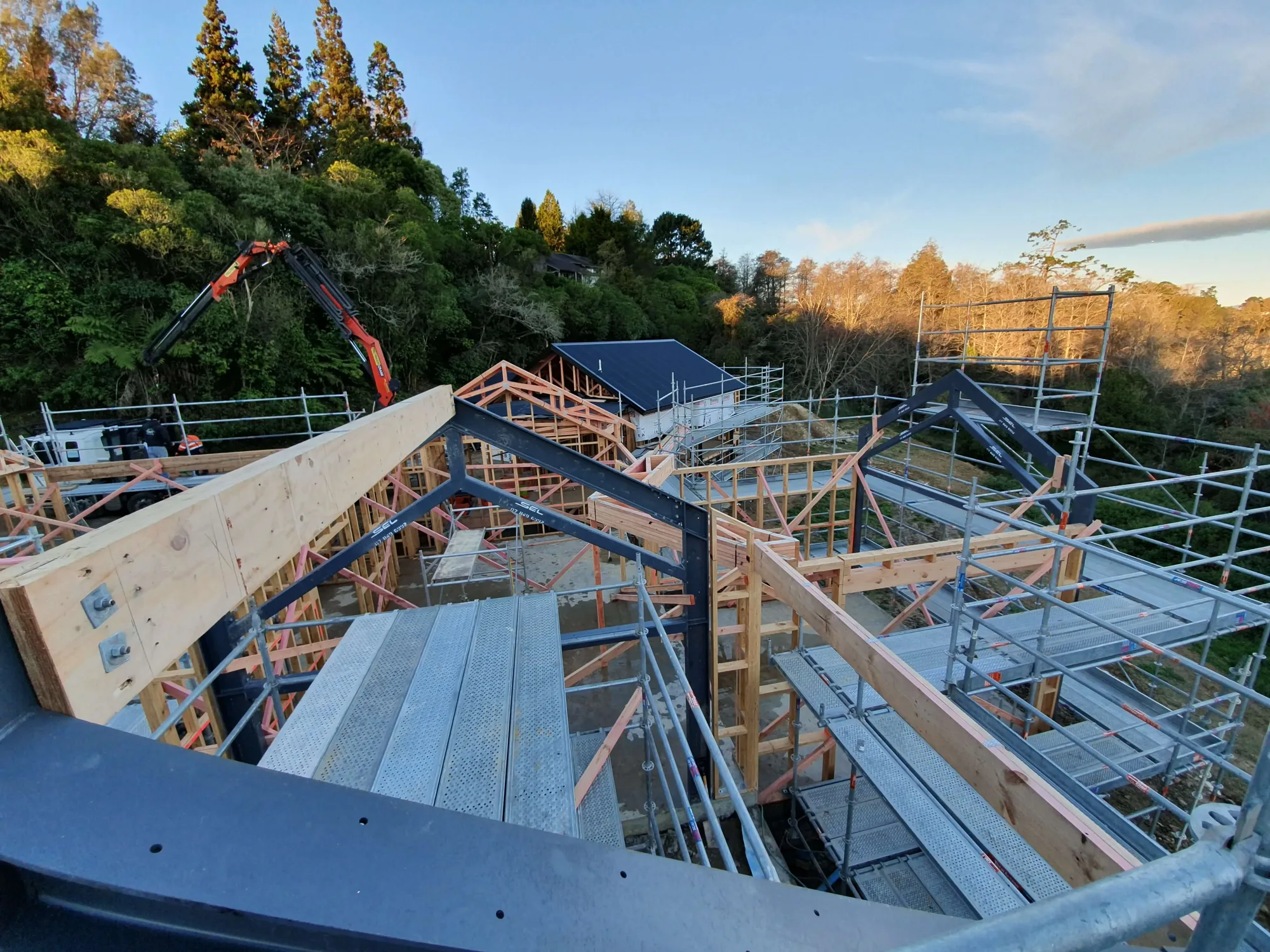
If you are asking how long it takes to build a house in NZ, you are probably trying to plan around a move, a sale or a school year. That is sensible. The key is to think about the whole journey, not just the months when the builders are on site.
For the homes we build, the construction phase generally takes 7 to 12 months from when council consent is issued, depending on the size, specification and detail of the home. Before that come design, pricing and consent, and how long those take depends a lot on you and your project.
The stages before construction
Every project is different, but most new homes follow a similar path before anyone starts digging.
1. Getting clear on what you want
This is where you talk about how you live, what you need from the home, your section and your budget. Some people arrive with a clear brief, others with a folder of ideas. Taking time here makes every later stage faster, because fewer things change down the track.
2. Design
Design can be the stage with the most variation. If you already have architectural plans, much of this work is done. If you are starting from scratch with a design and build approach, there will be concept sketches, then developed plans, then the detailed drawings needed for consent. Each round of changes adds time, which is fine, as long as you plan for it.
3. Pricing and specification
Once the design is far enough along, the builder prices it. This is also when you start choosing claddings, fixtures, appliances and finishes. The more decisions you make here, the more accurate the price and the fewer delays later.
4. Building consent
Before building work can start, the council has to issue a building consent. Your designer or architect usually prepares the drawings and documents for the application. Under the Building Act, councils have 20 working days to decide on a complete application, and that clock pauses if they ask for more information. Our post on Waikato building consents explains this stage in more detail.
The construction phase: 7 to 12 months
Once consent is issued, we can start building. A typical new home moves through these stages:
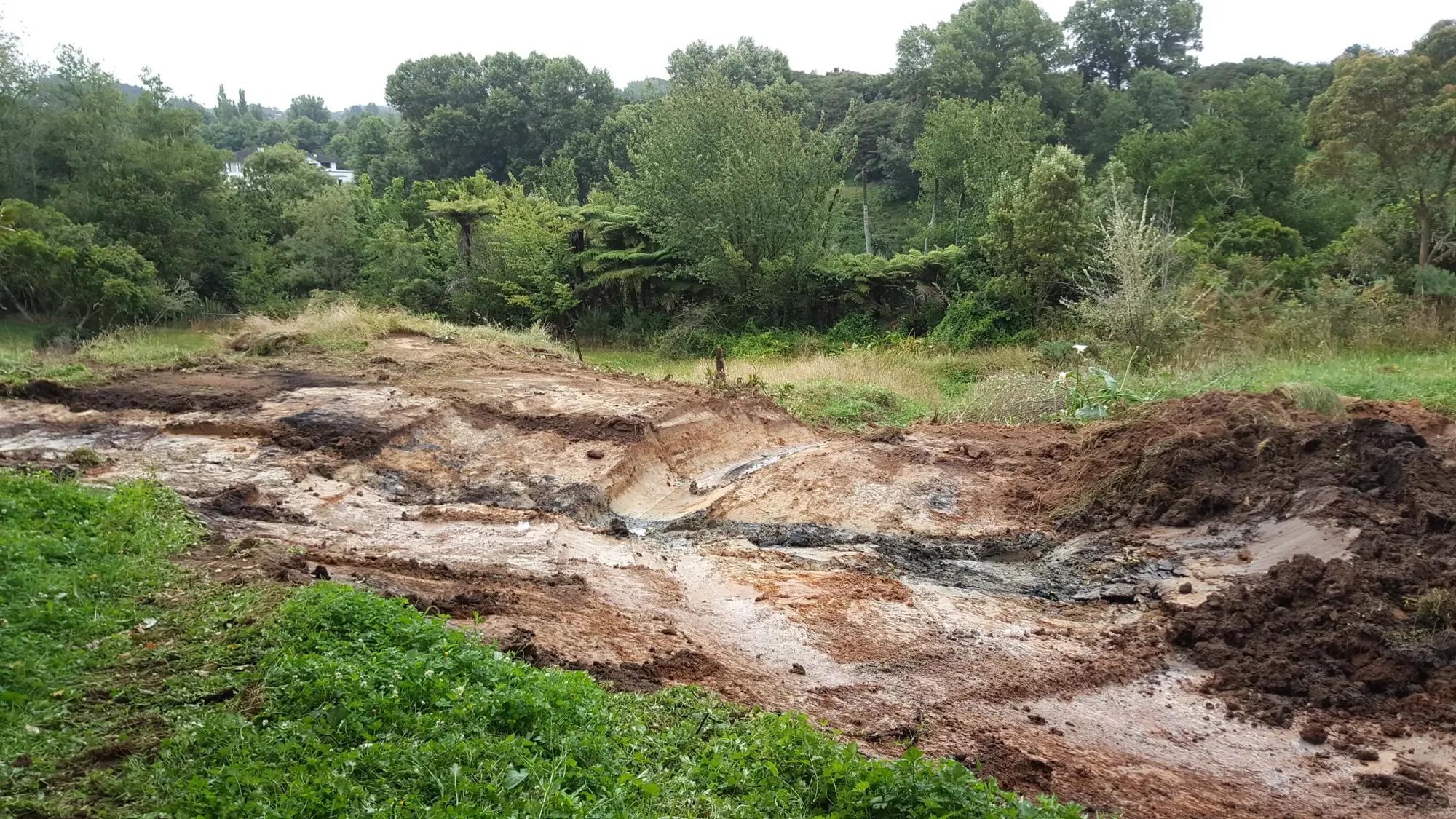
- Site works. Clearing, earthworks, drainage and getting access sorted.
- Foundations. Setting out, preparing and pouring the foundation or slab.
- Framing and roof. The frame goes up and the roof goes on, so the house starts to take shape.
- Closing in. Windows, doors and cladding, so the home is weathertight.
- Services and linings. Plumbing, electrical and insulation, then plasterboard and stopping.
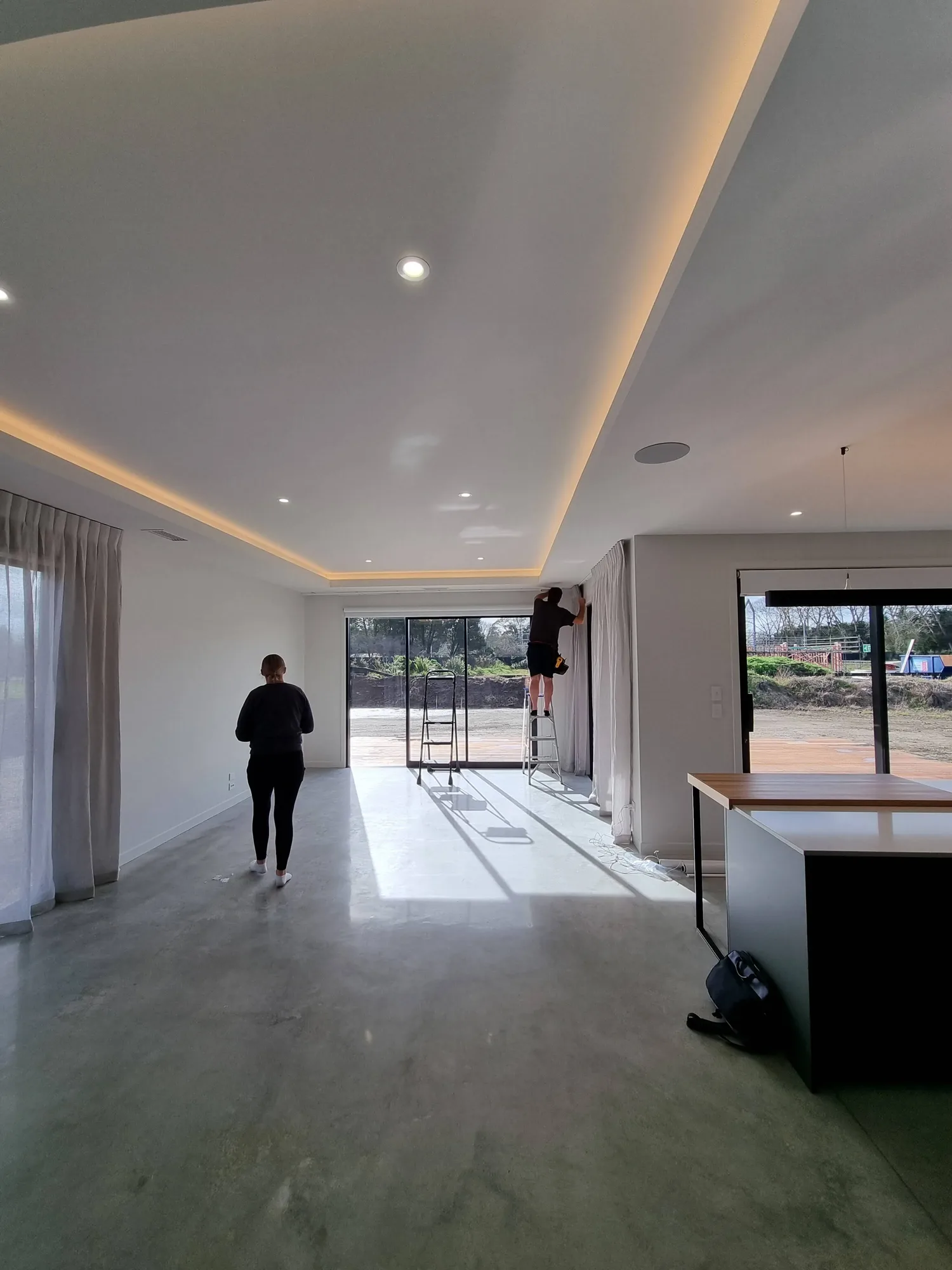
- Fit-out. Kitchen, bathrooms, joinery, flooring, painting and fixtures.
- Finishing and handover. Final checks, cleaning, landscaping if included, and the keys.
Council inspectors visit at set points along the way, and the home is checked again at the end before it is signed off. You can read how we approach each stage on our process page.
What makes a build take longer
A few things tend to stretch the timeline:
- Size and complexity. Larger homes, complex rooflines and detailed joinery take longer.
- The site. Slopes, retaining, poor ground or long driveways add time before the frame goes up.
- Weather. Waikato winters can slow earthworks and foundations.
- Late changes. Changing the design or specification after work starts almost always adds time.
- Supply. Some imported products and custom items have long lead times.
Some of these are out of anyone's control, like a wet winter. Others can be planned for. Choosing products with known lead times, sorting out site access early and settling the design before construction starts all reduce the risk of the build stretching out. On larger or more detailed homes, it is normal for the build to sit towards the longer end of the range.
What helps it go smoothly
The best thing you can do is make decisions early and stick with them where you can. Choose your main selections before the build starts. Keep in touch with your builder so questions get answered quickly. And allow a bit of breathing room in your plans, especially if you are selling or ending a lease.
“Everything was really transparent and the build process itself could not have gone more smoothly.”
A realistic way to plan your timeline
When people ask how long it takes to build a house in NZ, the most useful answer is a plan with some margin built in. A few simple steps help:
- Start with the date you want to move in, then work backwards through construction, consent, pricing and design.
- Allow extra time if you are still choosing a section, designing from scratch or building on a difficult site.
- Avoid locking in a firm moving date until construction is well under way.
- Ask your builder for a programme once consent is issued, and check in on it regularly.
Having that picture early makes it far easier to plan around work, school and the sale of your current home.
The practical takeaway
Think of your timeline in two parts. The first part, design, pricing and consent, varies the most and depends on your project and how quickly decisions are made. The second part, construction, is generally 7 to 12 months from when consent is issued, depending on size, specification and detail. Plan for both, and leave yourself some margin.
If you have a timeframe in mind, talk to us early. We can give you a realistic picture for your home and your site.
FAQ
Frequently asked questions
How long does it take to build a house in NZ once consent is issued?
How long does building consent take?
Can I speed up my build?
Related reading
- Architect or design and build: which is right for your home?Hire an architect and then a builder, or go with design and build? A fair look at both, and how to choose.
- Waikato building consent: a plain guide for new home ownersWhat a building consent is, which council issues it in the Waikato, who prepares the drawings and what happens during the build. General information to help you plan.
- Building on a sloping section: what to know before you startSite checks, foundations, retaining, drainage and design ideas for building on a sloping section in New Zealand.
Start your journey
Let's shape a home around you.
Get in touch for a no-obligation conversation. We'd love to hear about your plans.